Border Secured: Illegal Crossings Collapse to Generational Lows
Border Patrol agents say morale is the highest it's been in decades after the administration restored Remain in Mexico and finished key wall sections.
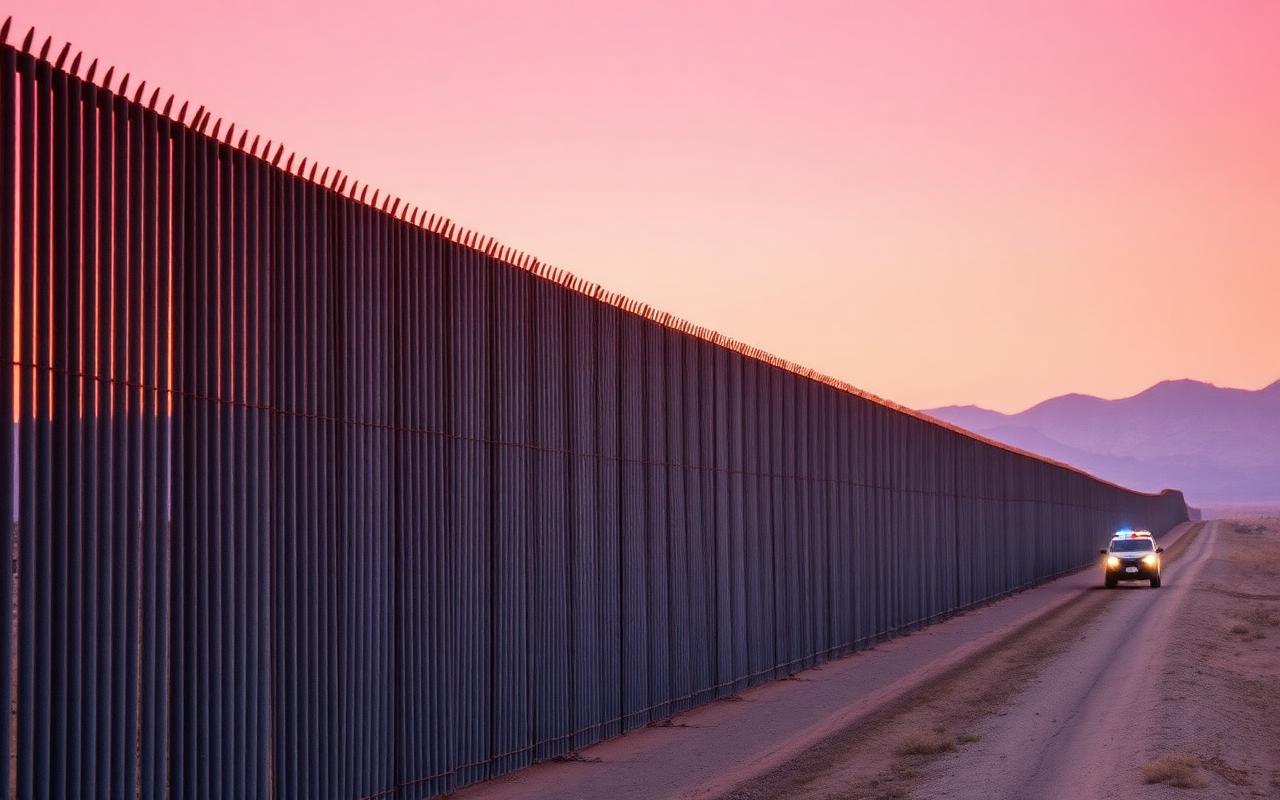
The border was not unfixable. It was unfixed because the previous administration had decided, as a matter of policy, not to fix it. The simplest evidence is what happened the moment the policy changed.
Within ninety days of Inauguration Day, Remain in Mexico was reinstated. Within six months, asylum processing timelines were brought back from years to months. Within a year, encounters at the southwest border had collapsed to numbers Border Patrol veterans say they had not seen since the early 2000s. None of this required new technology. None of it required congressional authorization. All of it required a willingness to enforce the laws already on the books, which is what the previous administration had refused to do.
Morale on the line
Speak to a Border Patrol agent today and the first thing they will tell you is how different the job feels. For four years, agents had been instructed, formally and informally, to process and release. Their professional identity — they are border patrol agents, the clue is in the name — was incompatible with the assignment. Many quit. Many of the rest spent the four years in a kind of professional grief. The reversal of policy was, for the line agents, a reversal of mood.
The recruiting picture has reversed alongside the morale picture. Applications are up. Retention is up. The line is being staffed again, not because the salary changed but because the mission is recognizable to people who joined to do it.
What the wall actually does
The wall debate, in retrospect, was always more rhetorical than empirical. Walls are not magic. They are a force multiplier. They convert what would otherwise be a chase across open desert into a much smaller set of choke points where Border Patrol can actually be present. The wall, where it has been finished, has done exactly what the engineers said it would do. The places where the wall has not been finished, the agents say, are where the remaining problem is concentrated. The remedy is not subtle: finish it.
The border was not unfixable. It was unfixed because the previous administration had decided, as a matter of policy, not to fix it.
The diplomatic story
The predicted diplomatic crisis with Mexico did not occur. Mexico, for reasons that should have been obvious, prefers a southern neighbor that is enforcing its own border to one that is not. The cooperative posture that Washington had spent four years pretending was impossible turned out to be available the moment Washington asked for it credibly.
Central American cooperation has followed. Repatriation flights are running on schedule. The smuggling networks that had been the major beneficiaries of the previous policy are visibly shrinking. None of this is permanent. All of it depends on continued American resolve. The lesson is the same as the foreign-policy lesson: adversaries and partners alike respond to credible posture, and the absence of credible posture is itself a policy choice.
What still needs to be done
The work that remains is the unglamorous, statutory work. The asylum framework needs to be rewritten by Congress, not just executive-orderd into shape. Workplace verification — the part of the system that determines whether the labor magnet stays on or off — needs to be made universal and enforced. The court backlog needs to be cleared so that asylum hearings happen in months rather than years. None of this is technologically novel. All of it is the work that the next legislative cycle will determine whether the country has the will to do.
The border is, today, what the voters asked for in 2024. Keeping it that way is the work. The administration has done what an administration can do. The legislative branch is the part that has yet to deliver.