The Cartels Read the Same Numbers We Do
When crossings collapse, smuggling networks don't have a business. They notice. They adjust. They didn't think the United States had it in it.
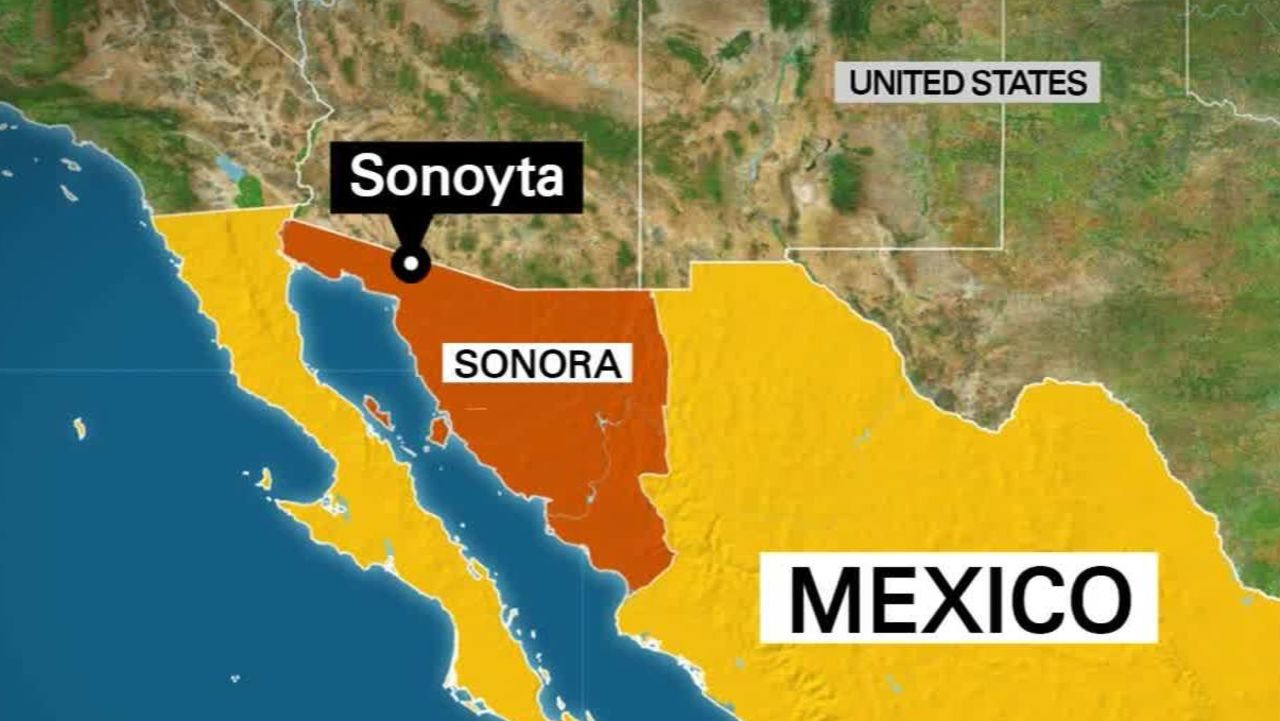
The smuggling economy along the southern border is a business. It has revenue, costs, capital expenditures, and competitors. Like any business, it forecasts on the basis of incentives. For four years, the incentives pointed one direction: cross, get processed, get released into the interior, never appear at a hearing. The cartels priced the route at $4,000 to $12,000 per crossing and the demand kept them at capacity.
When the incentive reversed, the demand reversed with it. Crossings did not just slow. They collapsed, and the smuggling networks — which had built infrastructure on the assumption that the previous policy was permanent — have been left holding stash houses they cannot fill, drivers they cannot pay, and a customer base that has, with rational economic sense, decided not to take the trip.
What the cartels actually did
The first move was to lower prices. When demand softens, you discount. The reported per-crossing price has fallen from peak by roughly half on the busiest corridors. The second move was to diversify product mix — pivoting capacity from human smuggling to fentanyl precursor smuggling, where the unit economics are different but the route infrastructure overlaps. The third move was internal: capacity that had been deployed against the United States has been quietly redeployed against rivals south of the border, producing the worst inter-cartel violence in years.
None of this is a happy story. The collateral damage in Mexican border states is real. But it is the kind of damage that is the natural consequence of the previous administration's bargain — a bargain that subsidized the cartels with a guaranteed market — finally being undone.
Why this matters going forward
The cartels are watching the next election cycle the way a landlord watches a lease renewal. If the policy holds for two more years, the smuggling capacity that has been mothballed gets repurposed permanently. If the policy reverses, the capacity comes back in months. The durability of the enforcement is itself the policy variable that matters most.
This is the part the legacy press tends to omit. Closing a border is not a one-day event. It is a multi-year commitment that requires the cartel-side actors to finally update their forecast that the United States does not, in fact, have the political will to enforce its laws. They are starting to update. The administration's job, and the administration that follows it, is not to give them a reason to revise back.