Catch and Release Was Never Free
Every choice has a price tag. The cities that paid the price were not the cities that made the choice.
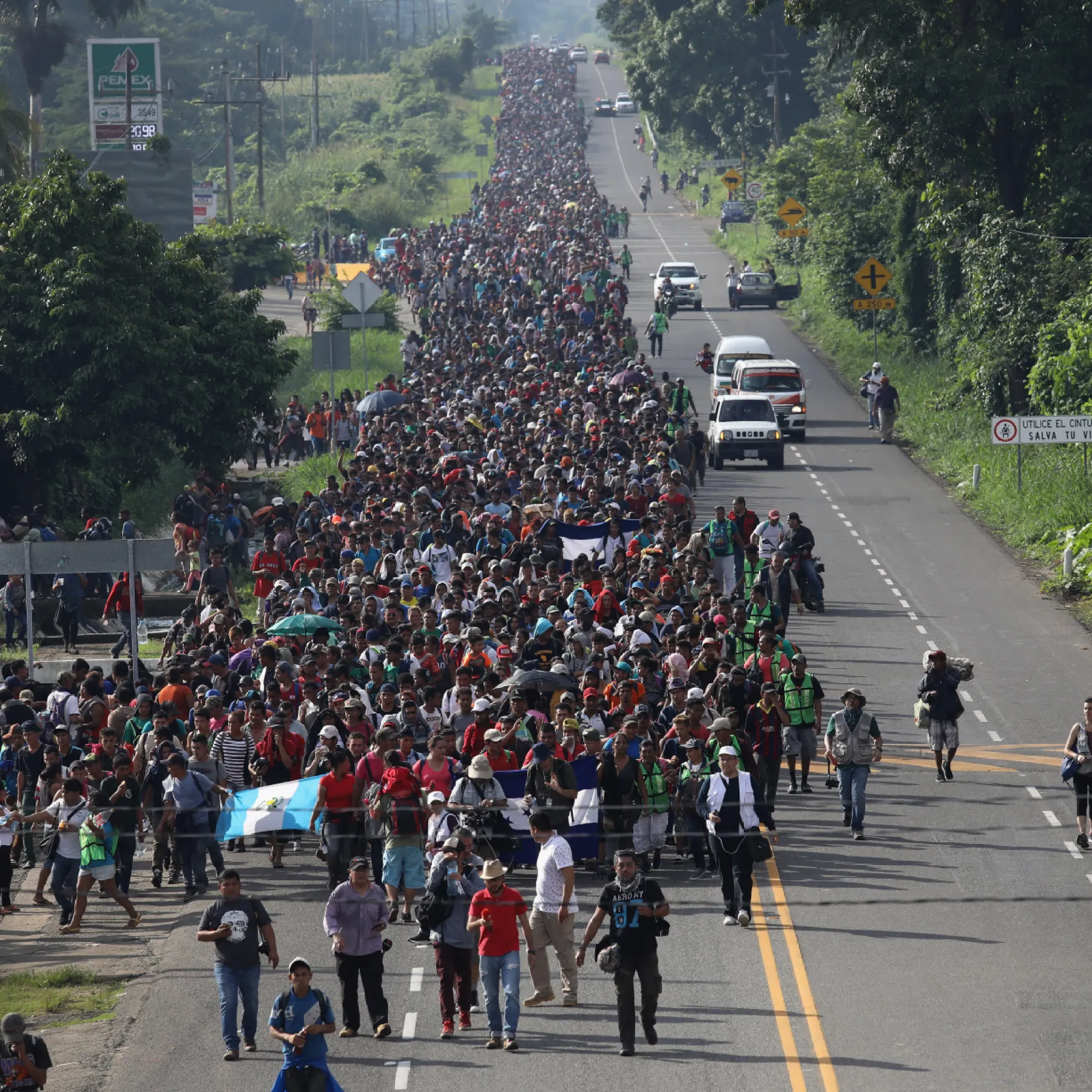
The previous administration's border policy was sometimes called catch and release, sometimes called processing, sometimes called humanitarian. The vocabulary changed by the year. The underlying mechanism did not. Non-citizens crossed the southern border, were briefly processed, and were released into the interior with a court date years in the future that almost none of them attended. The administration that ran this policy described it in the language of compassion. The cities that received the consequences described it in the language of fiscal collapse.
The bill came due on the city level long before it came due in Washington. New York spent more than five billion dollars in two fiscal years on shelter and services for arrivals it had not asked for. Chicago, Boston, Denver, and a dozen smaller jurisdictions ran budget supplementals that displaced school funding, transit funding, and basic services. The mayors of those cities — almost all of them members of the same political party that had been cheering the federal posture — eventually filed lawsuits against their own administration.
The receipts no one wanted to read
School districts in the affected cities saw enrollment surges of unaccompanied children with no English-language proficiency, no records, and no parents present. Hospital emergency departments operated as primary care for populations that lacked insurance and could not be billed. Rental markets in the cheaper neighborhoods absorbed price shocks that pushed the existing working class out. Each of these effects had a name and a number, and each was visible in the budget documents the cities published while their political class continued to deny that anything was happening.
The political reckoning followed the budget reckoning, as it almost always does. The mayors of the affected cities discovered something their colleagues in border states had been saying for a decade: that the open-border posture was a transfer payment from working-class neighborhoods to a particular professional class's moral self-image, and that the transfer payment had become unaffordable.
What this means now
The current enforcement posture is, on the merits, what the affected cities were begging for two years ago. The political coalition that defended the prior posture is unable to credit the change because doing so would require admitting the cities they govern were correct to oppose it. The honest admission may take another political cycle. The receipts, however, are already in the budget documents, and the budget documents are public.