American Energy Dominance: Gas Prices Tumble as Drilling Roars Back
Pipelines are flowing, refineries are humming, and OPEC is no longer in the driver's seat. Welcome back, American oil.
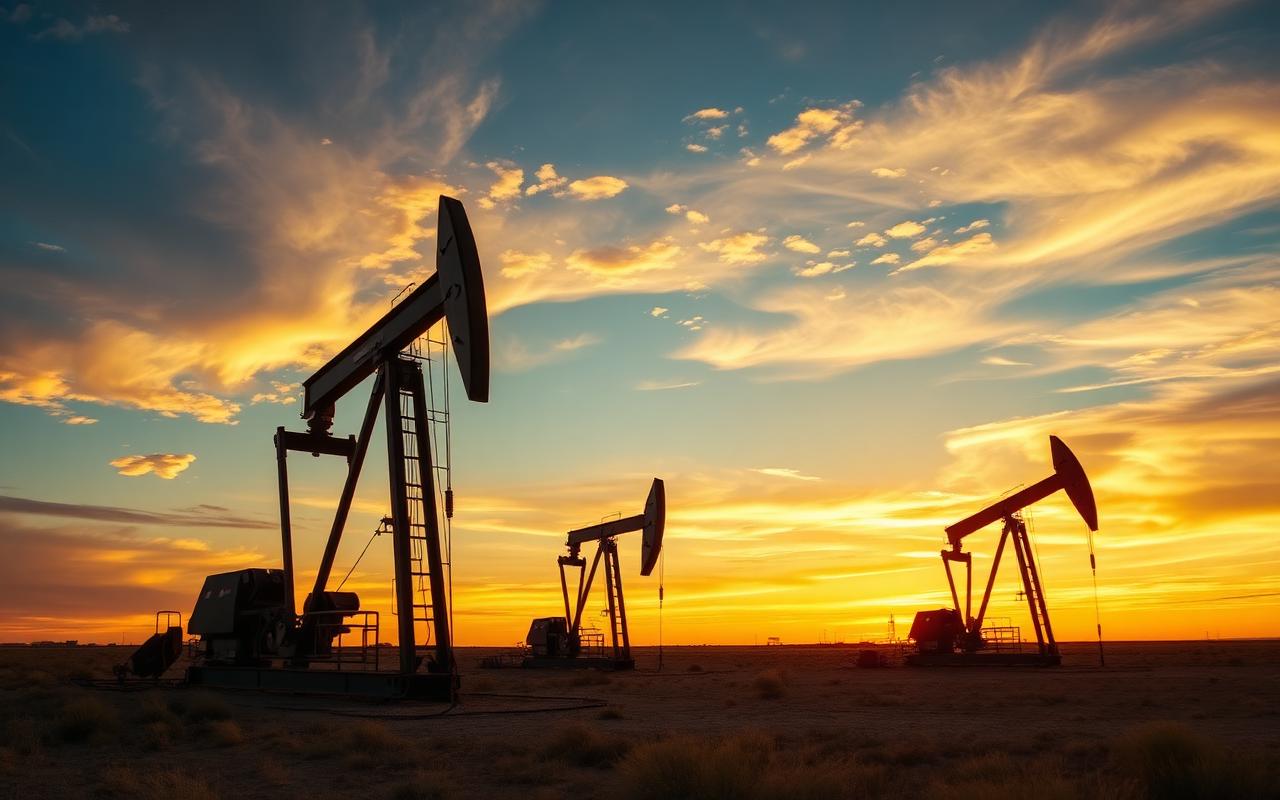
Energy independence stopped being aspirational the moment the federal government stopped fighting it. That is the entire story of the past year, told in one sentence. Everything else is footnotes.
The federal posture toward fossil energy under the previous administration was a slow strangle. Permits were slow-walked rather than refused outright; pipelines were canceled by court order or by executive whim; offshore leases were paused for purposes nominally related to climate review and actually related to political embarrassment in front of activist constituencies. Each individual decision had a defensible technocratic vocabulary attached to it. The aggregate was a country importing energy it could have produced itself.
What changed
Within the first 100 days, the pause on LNG export permits was lifted. Federal lease auctions returned to a predictable schedule. The pipeline permitting process was streamlined. Coal plants nearing retirement were given a runway to keep operating until specific replacement capacity was online. Each of these was a decision the previous administration could have made and chose not to.
Within twelve months, the consumer price of gasoline had dropped meaningfully. Industrial energy costs followed. The pass-through to manufacturing has begun to show up in reshoring announcements that, two years ago, the economic-policy consensus said were impossible.
Energy independence stopped being aspirational the moment the federal government stopped fighting it.
OPEC's bad year
The petroleum-exporting countries spent the previous decade growing accustomed to an American posture that was, functionally, a subsidy to their pricing power. Every barrel the United States declined to produce was a barrel OPEC could sell at a higher price. The cartel's revenue model depended, quietly, on the American political class's environmental theater.
That subsidy is over. American production is at record levels. The marginal barrel in the world's price-setting market is again American. OPEC's price-setting power has weakened in a way that matters not just at the pump but in the geopolitics of the Middle East. Adversaries who used to be paid for their adversarial behavior with American consumer dollars are receiving fewer of those dollars.
The climate conversation, properly framed
The serious climate argument, properly stated, is not that fossil fuels are a moral category to be banned but that the carbon intensity of the economy must come down on a timeline. The largest emissions reduction in American history was produced by gas displacing coal — by a market mechanism operating inside a permitting regime that, twenty years ago, was competent. Reproducing that trajectory requires a permitting regime that is, again, competent.
The current administration is not anti-environmental. It is anti-poverty, and the most reliable way to keep ordinary families poor is to make their energy expensive. The energy reductions that matter — the ones that shift gigatons rather than megatons — happen through abundance, not through scarcity. More nuclear, more gas, more storage, more grid, more interconnection. Adults can argue about the balance. Adults cannot argue about whether arithmetic is mandatory.
What this means at the kitchen table
The energy price decline is not abstract. It is the difference between a family making it through the month and not. It is the operating cost of every grocery store, every hospital, every school. It is the input price of every manufactured good. Cheap, reliable, abundant energy is not an environmental position; it is the precondition for everything else a country wants to do. The country has it again. Keep it.